Your Portfolio Isn't a Photo Gallery—It's a Closing Tool

Your Portfolio Isn't a Photo Gallery—It's a Closing Tool

I’ve spent the last few years watching photographers succeed and fail in the marketplace, and I’ve noticed something consistent: the photographers making the most money aren’t always the ones with the best photos. They’re the ones with the smartest portfolios. Here’s the uncomfortable truth: your portfolio isn’t a gallery. It’s a sales document. Its singular purpose is to convince a potential client that you—specifically you—can deliver exactly what they need, and you’ll deliver it beautifully.

Should Photographers Be on LinkedIn? Here's How to Decide (and What to Do If the Answer Is Yes)

Should Photographers Be on LinkedIn? Here's How to Decide (and What to Do If the Answer Is Yes)

I run a portrait studio in Miami, and for years I wasted energy trying to maintain a presence on every social platform that crossed my feed. LinkedIn included. I’d post something vaguely professional, hear nothing back, and wonder if I was doing it wrong. Turns out, I wasn’t doing it wrong exactly. I was just using a tool designed for a different job. Once I got honest about who my clients actually are and where they spend their time online, I stopped hemorrhaging hours into platforms that would never convert for my specific business model.

How Your First Few Photography Clients Can Fill Your Calendar for Years (If You Handle Them Right)

How Your First Few Photography Clients Can Fill Your Calendar for Years (If You Handle Them Right)

I run a 47-item client experience checklist. Yes, forty-seven items. My studio manager thinks I’m obsessive. My husband, who handles our books, thinks it’s the reason our referral rate sits above 60 percent. He’s probably right. I built that checklist because I learned, the hard way, that getting a client is only half the job. What you do with that client determines whether you ever need to run a paid ad again.

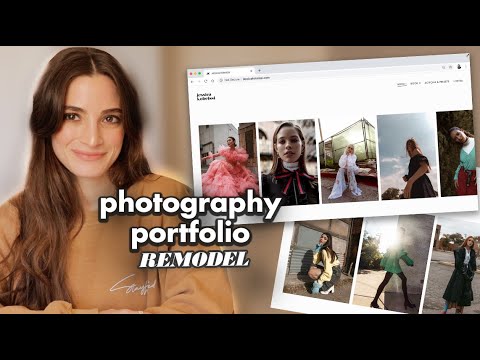
How to Audit and Refresh Your Photography Portfolio Website (Before It Costs You Clients)

How to Audit and Refresh Your Photography Portfolio Website (Before It Costs You Clients)

I run a portrait studio in Miami, and I can tell you with complete certainty that your website is losing you money while you sleep. Not because your photography is weak. Because your portfolio is a time capsule. The images you shot eighteen months ago, the ones you were proud of then, are still sitting in the same order, in the same spots, quietly telling potential clients a story that no longer reflects where your work is today.

7 Things I Wish I'd Done Before Launching My Photography Business (A Step-by-Step Breakdown)

7 Things I Wish I'd Done Before Launching My Photography Business (A Step-by-Step Breakdown)

I lost a $5,000 client because of a sloppy contract. No payment terms, no usage rights outlined, no follow-up system. Just a handshake deal and a lot of optimism. That single mistake cost me more than money. It cost me confidence, and it set my business back months while I scrambled to build the systems I should have had in place before I ever took on a paying client. That’s why when I came across Watch the full tutorial on YouTube from Daniel Norton Photographer, I immediately started taking notes.

Your Photography Portfolio Is Losing You Clients (Here's How to Fix It This Weekend)

Your Photography Portfolio Is Losing You Clients (Here's How to Fix It This Weekend)

I used to send potential clients to my Instagram. I had thousands of followers, decent engagement, and I thought that was enough. Then I lost a $5,000 portrait booking to a photographer with half my skill because she had a clean, professional portfolio site and I was asking people to scroll through a feed mixed with behind-the-scenes reels, personal posts, and the occasional beach sunset I had no business sharing. That wake-up call taught me something I now repeat to every photographer I coach: social media shows your recent work, not your best work.

How to Build a Senior Photography Business That Actually Makes Money (Lessons from Sal Cincotta)

How to Build a Senior Photography Business That Actually Makes Money (Lessons from Sal Cincotta)

I grew up watching my parents run a portrait studio on fumes and good intentions. They were talented photographers who consistently undercharged, never systemized their marketing, and treated every inquiry like a favor rather than a business transaction. By the time I took over managing my own studio, I was determined to do things differently. But “differently” is vague until you have a concrete model to study. That’s why Sal Cincotta’s CreativeLive tutorial on the business of senior photography stopped me mid-scroll.

Why Subtle Brand Collaborations Matter More Than Ever for Your Photography Business

Why Subtle Brand Collaborations Matter More Than Ever for Your Photography Business

I’ve been watching the brand collaboration landscape shift dramatically, and I want to share what I’m seeing—because it directly impacts how we as photographers should approach our own partnerships and positioning. The Quiet Collaboration is Winning Recently, I noticed a major shift in how brands are approaching partnerships. Instead of splashy, in-your-face endorsements, we’re seeing something far more sophisticated: subtle collabs that speak to authenticity rather than volume. These partnerships aren’t screaming for attention—they’re creating genuine value for audiences who actually care.

Stop Telling Potential Clients Their Photos Are Bad (Do This Instead)

Stop Telling Potential Clients Their Photos Are Bad (Do This Instead)

I track almost everything in my studio, open rates on inquiry emails, conversion percentages from consultations, even how many times a client references their previous photographer before booking. So when I noticed that my cold outreach emails were getting ignored at an embarrassing rate early in my business, I dug into the data. The problem wasn’t my portfolio. It was my pitch. I was leading with what potential clients were doing wrong instead of what I could do right, and it was costing me bookings before I even got a reply.

The Client Lifetime Strategy That Changed How I Think About Every Booking

The Client Lifetime Strategy That Changed How I Think About Every Booking

I used to think about bookings in isolation. Someone needs a family session, they book, they pay, they leave. That was the whole transaction in my mind. It wasn’t until my accountant husband sat me down with a spreadsheet that I realized how wrong I was. He had tracked which clients had come back to our studio more than once, and the number was embarrassingly low. I was so focused on finding new clients that I had completely ignored the ones who already trusted me.

How to Read a Photography Brief Like a Pro (And Why Getting It Wrong Will Cost You Clients)

How to Read a Photography Brief Like a Pro (And Why Getting It Wrong Will Cost You Clients)

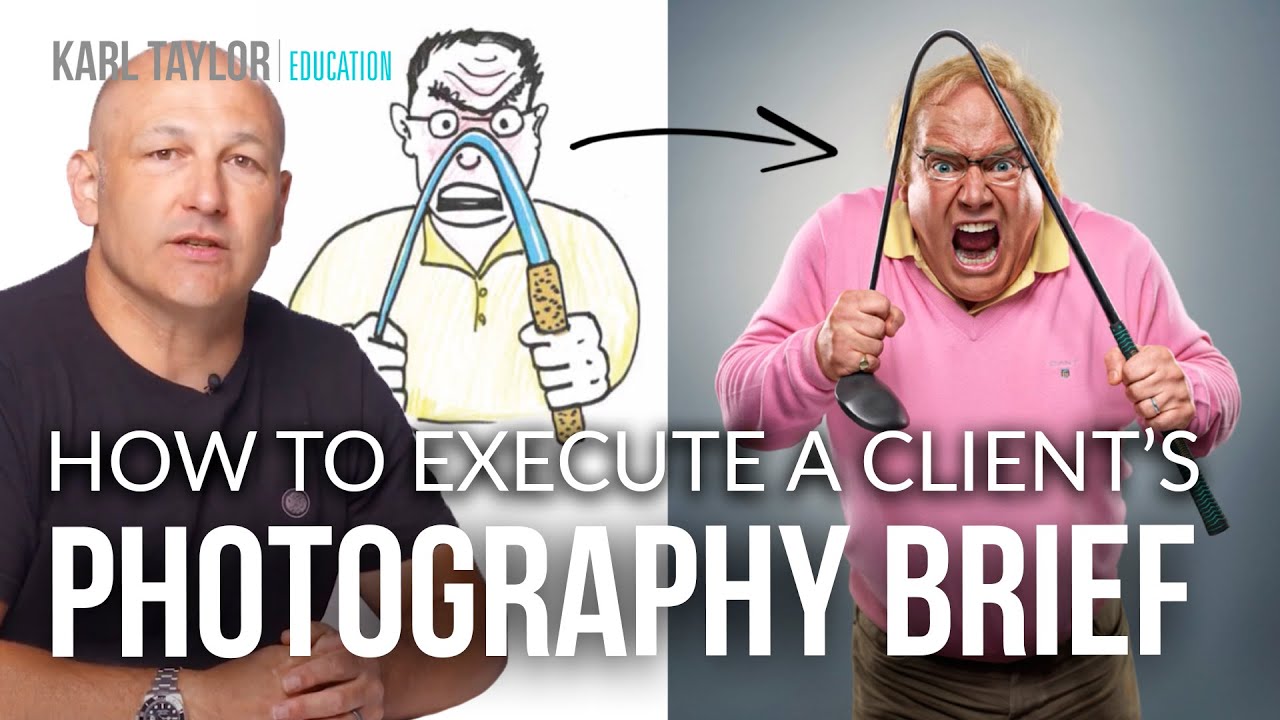
Early in my studio career, I treated client direction as a loose suggestion. A client would say “clean, minimal, bright” and I’d show up with my own interpretation, proud of my creative spin. I lost a $5,000 client because of exactly that kind of thinking. Not because my photos were bad. Because they weren’t what was asked for. That lesson cost me real money and taught me something no photography course had spelled out clearly: in commercial work, your job is execution first, creativity second.

What Apple's Legal Battle Teaches Photography Businesses About Protecting Intellectual Property

What Apple's Legal Battle Teaches Photography Businesses About Protecting Intellectual Property

I’ve been following a significant legal development that deserves attention from anyone running a creative business—especially photographers who invest heavily in developing unique techniques, editing processes, or proprietary systems. Apple recently filed a substantial lawsuit alleging serious intellectual property theft against a hardware venture, with accusations that cut to the core of what makes innovative businesses vulnerable. This case illustrates something I see repeatedly in the photography industry: creative professionals often underestimate how critical it is to legally protect what they’ve built.